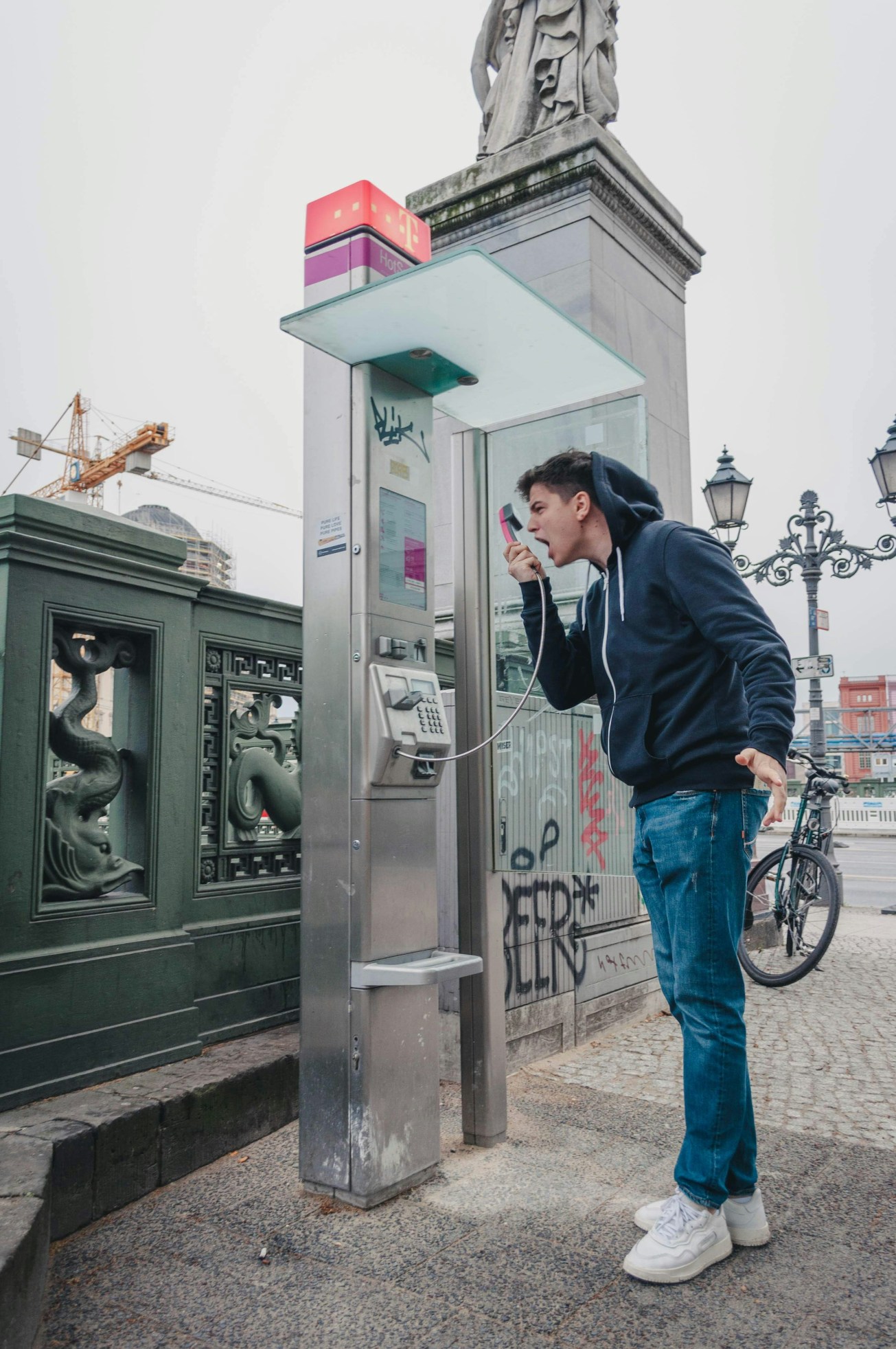
Some new neighbors moved into the neighborhood a few weeks ago. They are loud. They disturb the peace. They set off firecrackers. Illegally. I regarded this as a big problem. I wanted the old neighbors back, the formerly invisible ones. These new ones need to go away.
That’s my automatic first solution for problems: for them to go away. Problem solved. I catch myself doing this all the time with things large and small: it’s where uncertainty, wrong turns, long lines, chronic conditions, feuding family members, pain, the unexpected ask, poor performances, the this and that all need to go. In short, the solution for everything we haven’t asked for and don’t want is for these things to simply go away, possibly by whatever means necessary.
But when so much of life involves co-existing with all manner of things we haven’t asked for — at least until a real solution is employed that can resolve it — the question is how to coexist with the unwanted in the meantime or perhaps forever more if there is nothing that can make it go away?
It seems to me that being able to co-exist with that which we don’t want requires a solid sense of one’s own mass, an ability to hold one’s seat instead of flipping out and losing a portion of our minds when the unwanted shows up. It seems to me that if we were so firmly planted in who we are that regardless of how much a disease or a crisis took away, we would still be intact. From this place of secure grounding, we could see our best way forward, whatever that might look like.
Holding our seat in the face of the unwanted is a lofty task we will likely face many times throughout the day, for disturbances both large and small. So far today (the day this story was written) I’ve gotten the chance to practice holding my seat in a variety of ways. I held onto myself when I stepped in wet paint. (It’s okay; just part of the process.) I was fine when I noticed how my stomach was really pushing at the seams of my shirt in a way I hadn’t noticed before while strength training in front of the mirror. (“Oh, look at that. How interesting,” I said to myself from my solid perch of self-possession.) But when I opened an email from a sibling to discover it was my parents’ 66th wedding anniversary that very day…well, I started to lose command of myself over guilt that I’m never the sibling that remembers, the worry about what might be called for in the way of an impromptu celebration when I’m tired from hosting 4th of July festivities with family out-of-towners over a long weekend, wonderful as it was, and the grief that I always feel so inadequate about these things. And then there was the panic, the defensiveness, the anguish over the loss of a quiet Friday night at home with my partner, pizza and, oh, maybe an episode of The Crown and The Bear.
After I flashed through all of that instantaneous reactivity I knew I was going to need to find a way to reel myself back in so I could calmly determine if the right thing to do was mobilize an event or allow things to be what they sometimes are: not picture perfect.
My fascination with what it means to be in possession of yourself and how crucial that is in determining outcomes and maintaining some sense of personal intact-ness happened in five short minutes fifteen years ago when I sat outside a courtroom door waiting to see my son be sworn into the federal bar. I’ll share that story next week as an example of how crucial it is to be in touch with ourselves and the following week I’ll share a technique for holding one’s seat.
 Be cool.